
Pineapple Guava (Kaiteri™)
$39.95$31.95
Kaiteri Feijoa (Pineapple Guava)
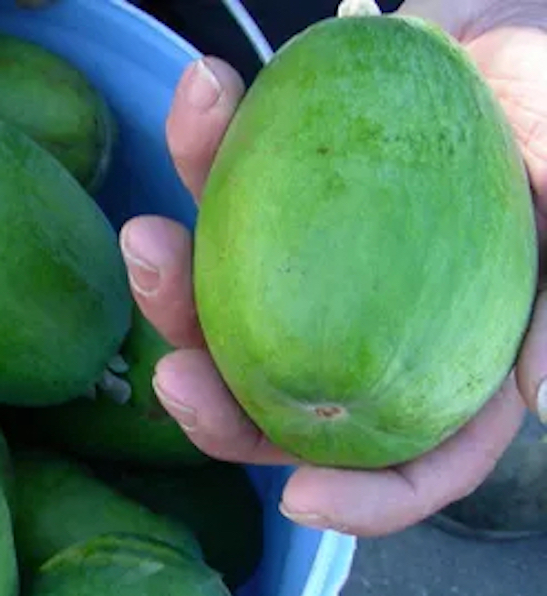
Kaiteri Feijoa is a premium pineapple guava variety developed in New Zealand and valued for its large fruit, excellent sweetness, and reliable productivity. This variety produces attractive green fruit with smooth skin and rich aromatic flesh that delivers the classic tropical flavor feijoa lovers seek.
The fruit is typically larger than many older feijoa varieties and develops a sweet, fragrant flavor often described as a blend of pineapple, guava, and citrus. When fully ripe, the flesh becomes soft, juicy, and intensely aromatic, making Kaiteri an excellent variety for fresh eating, fruit salads, desserts, and preserves.
Like other feijoa, Kaiteri also serves as an attractive ornamental shrub. The evergreen foliage has a distinctive silvery underside, and the spring flowers feature white petals and bright red stamens that are both beautiful and edible. This makes Kaiteri a productive addition to edible landscapes and backyard orchards.
Key Characteristics
Fruit Quality:
Produces large oval green fruit with aromatic cream-colored flesh. The flavor is sweet and tropical with strong pineapple guava character and low bitterness.
Harvest Timing:
Typically ripens in mid to late fall depending on climate.
Yield:
Very productive once established. Plants typically begin fruiting in about 3–4 years, with mature shrubs capable of producing reliable annual harvests.
Pollination:
Partially self-fertile but produces heavier crops when cross-pollinated with another feijoa variety.
Compatible pollinators may include:
✔ Anatoki Feijoa
✔ Earlihart Feijoa
✔ Kakariki Feijoa
✔ Marion Feijoa
✔ Ramsey Feijoa
✔ Takaka Feijoa
Planting two different varieties nearby can improve fruit set, fruit size, and overall yield.
Growing Requirements
Hardiness Zones:
Generally hardy in USDA Zones 8–10. Mature plants can tolerate short periods around 10–15°F once established.
Utah Growing Notes:
Feijoa are considered borderline hardy in many parts of Utah. In protected microclimates along the Wasatch Front, such as near a south-facing wall or with winter protection, some gardeners have successfully overwintered plants. In colder areas they may perform best in containers that can be moved to a protected location during severe winter weather.
Growth Habit:
Evergreen shrub that typically grows 10–15 feet tall and wide but can be maintained smaller with pruning. Plants can also be trained into a hedge or small tree form.
Soil & Sun:
Performs best in full sun with well-drained soil. Feijoa tolerate a wide range of soil types and become relatively drought tolerant once established.
Maintenance:
Low maintenance plant that benefits from occasional pruning to maintain shape and airflow. Fruit typically drops when fully ripe and can be harvested from the ground or picked slightly early and allowed to finish ripening indoors.